Skilled Trades Employment Is Outpacing White-Collar Jobs

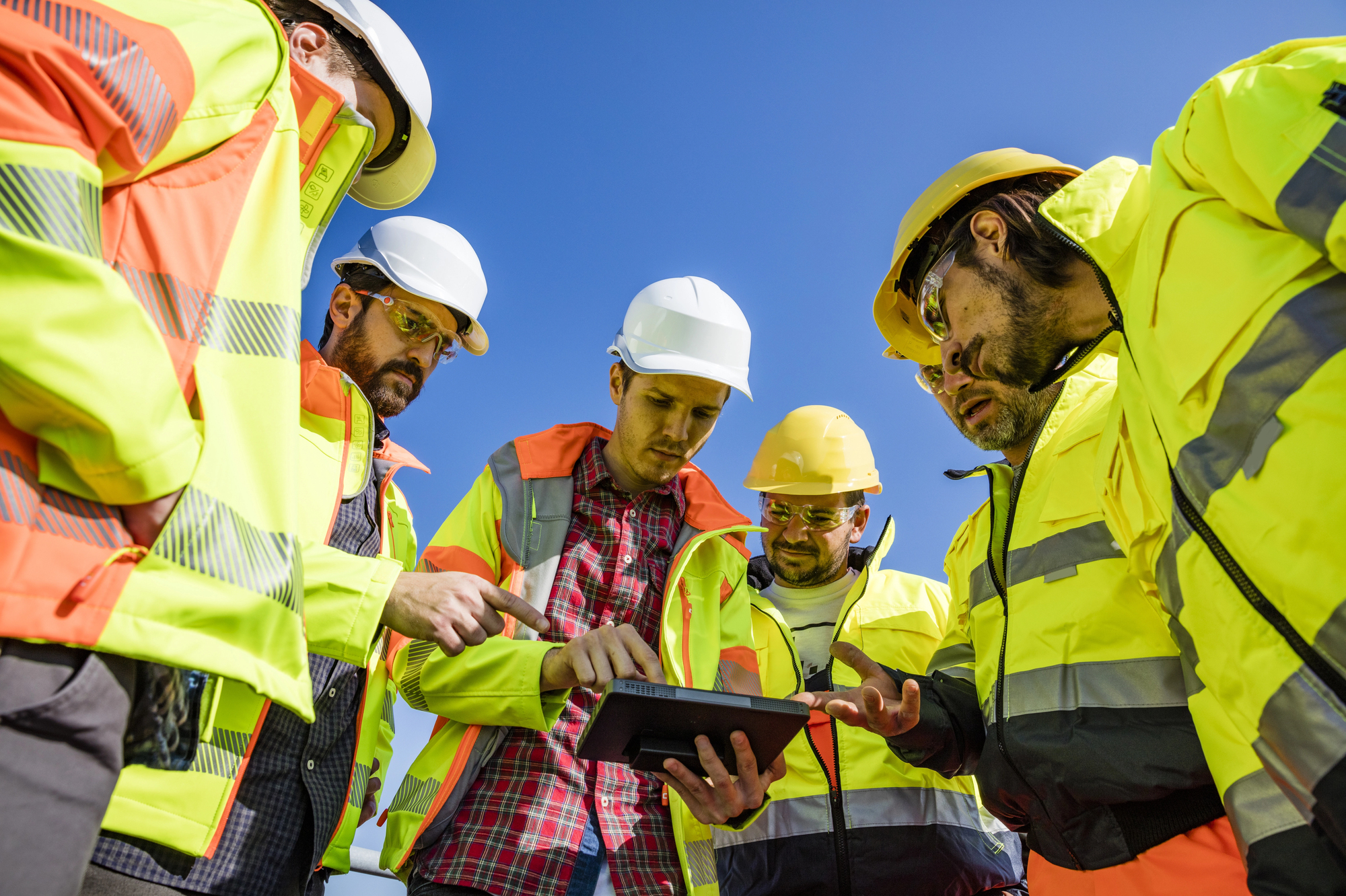
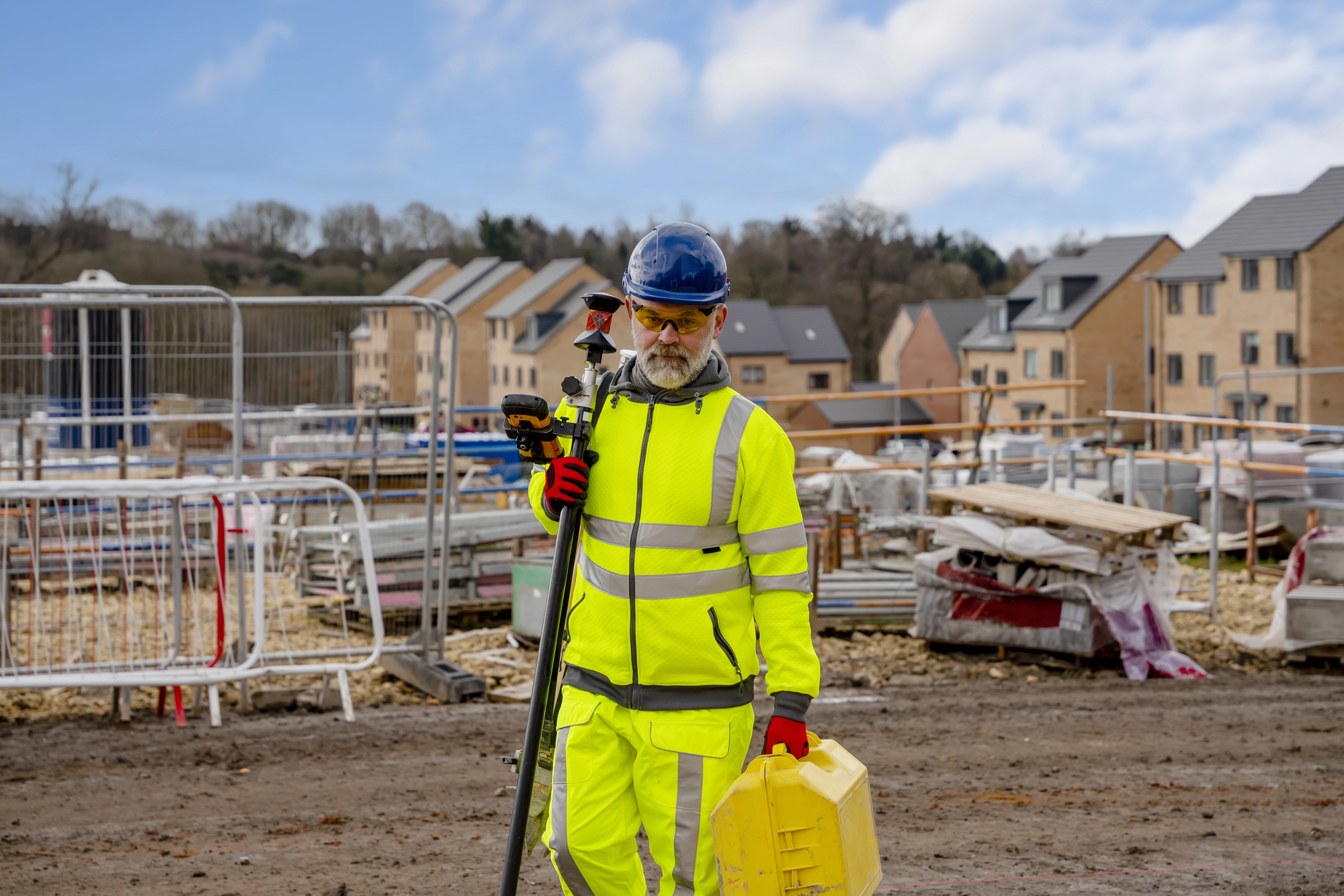
Skilled trades now have lower unemployment than white-collar jobs. Here’s what the latest data says about construction employment and why jobsite culture matters more than ever…
Read More
Surface Protection and Safety Products for Interior Construction
Skilled trades now have lower unemployment than white-collar jobs. Here’s what the latest data says about construction employment and why jobsite culture matters more than ever…
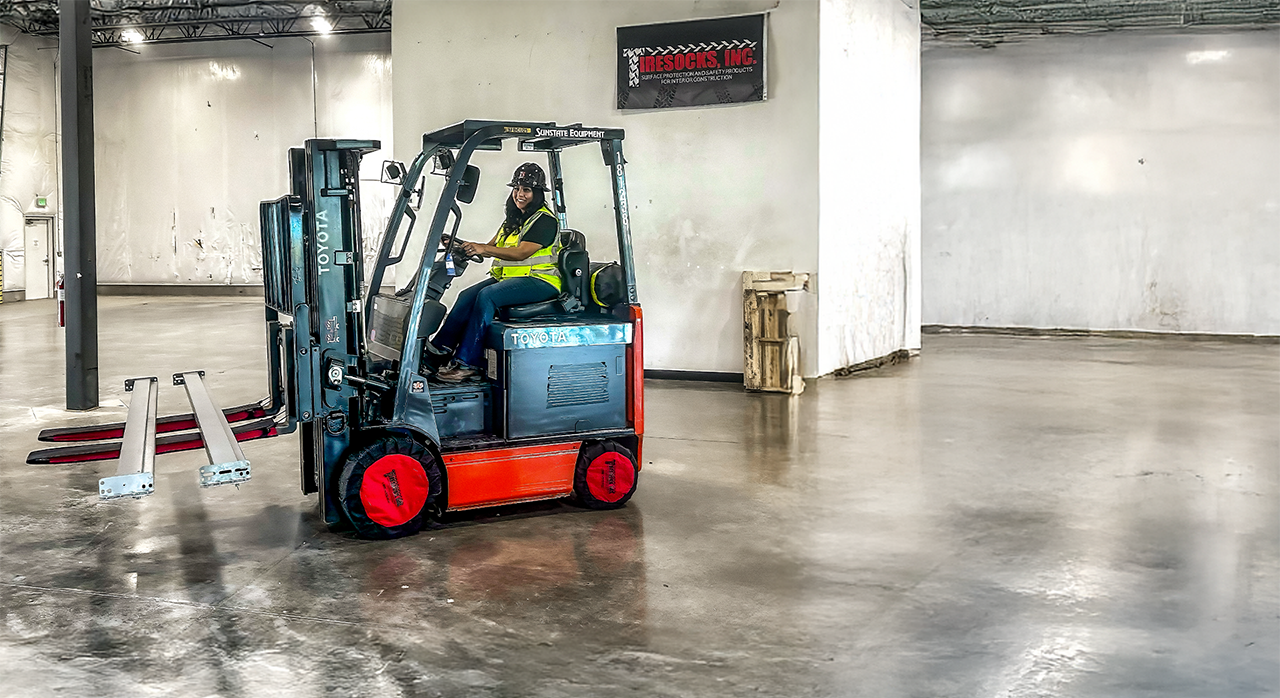
Read MoreYou’re on a clean job site. The floors are finished, your team’s in the zone—and your forklift just left a scuff on the polished concrete. Not ideal. To avoid situations like this, crews have long used quick fixes like wrapping forklift forks with carpet or matting to reduce surface damage. But now there’s a better way…
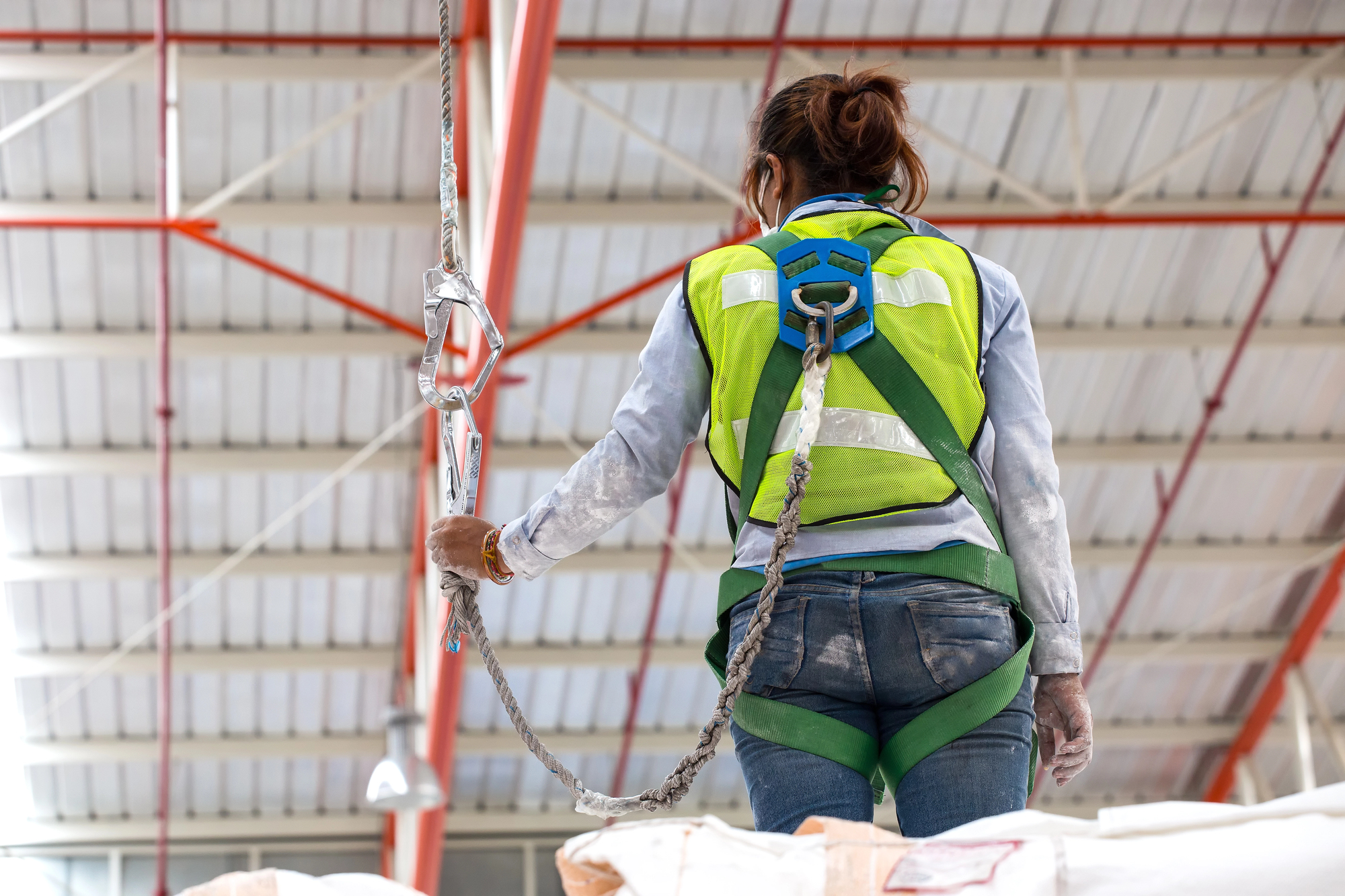
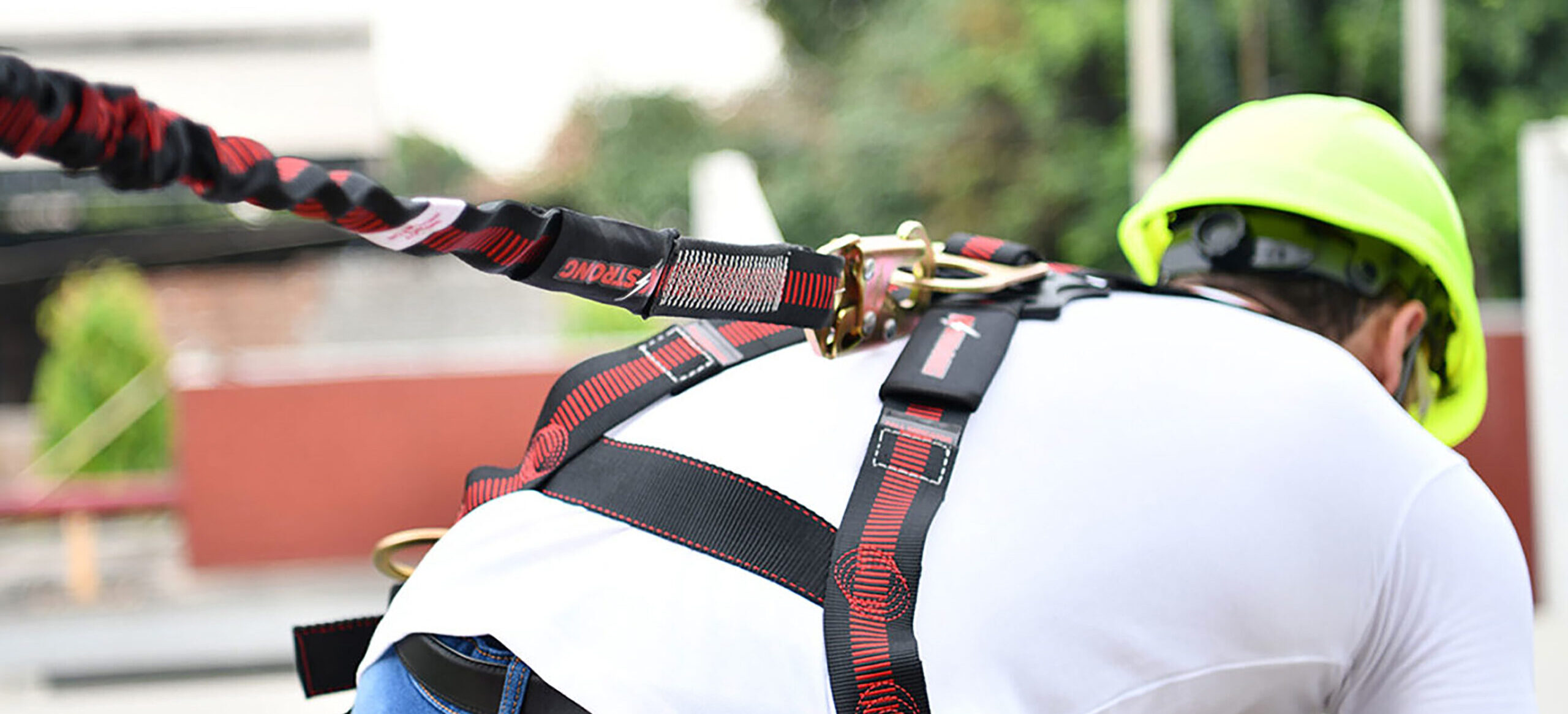
Read MoreWhether you’re working on lifts, scaffolding, roofs, or I-beams, or installing a commercial roof anchor, fall protection is NOT optional. It's one of the leading causes of workplace fatalities, and OSHA takes violations very seriously. Here’s a breakdown of what you need to know about fall protection rules, the risks involved, and the necessary equipment to stay safe and compliant…
Read MoreFalls are the top cause of death in construction and the most commonly cited OSHA violation. Not because crews don't care about safety, but because they’re handed equipment they don’t trust, they haven’t been properly trained on, or no one has explained the rules clearly. That changes here…
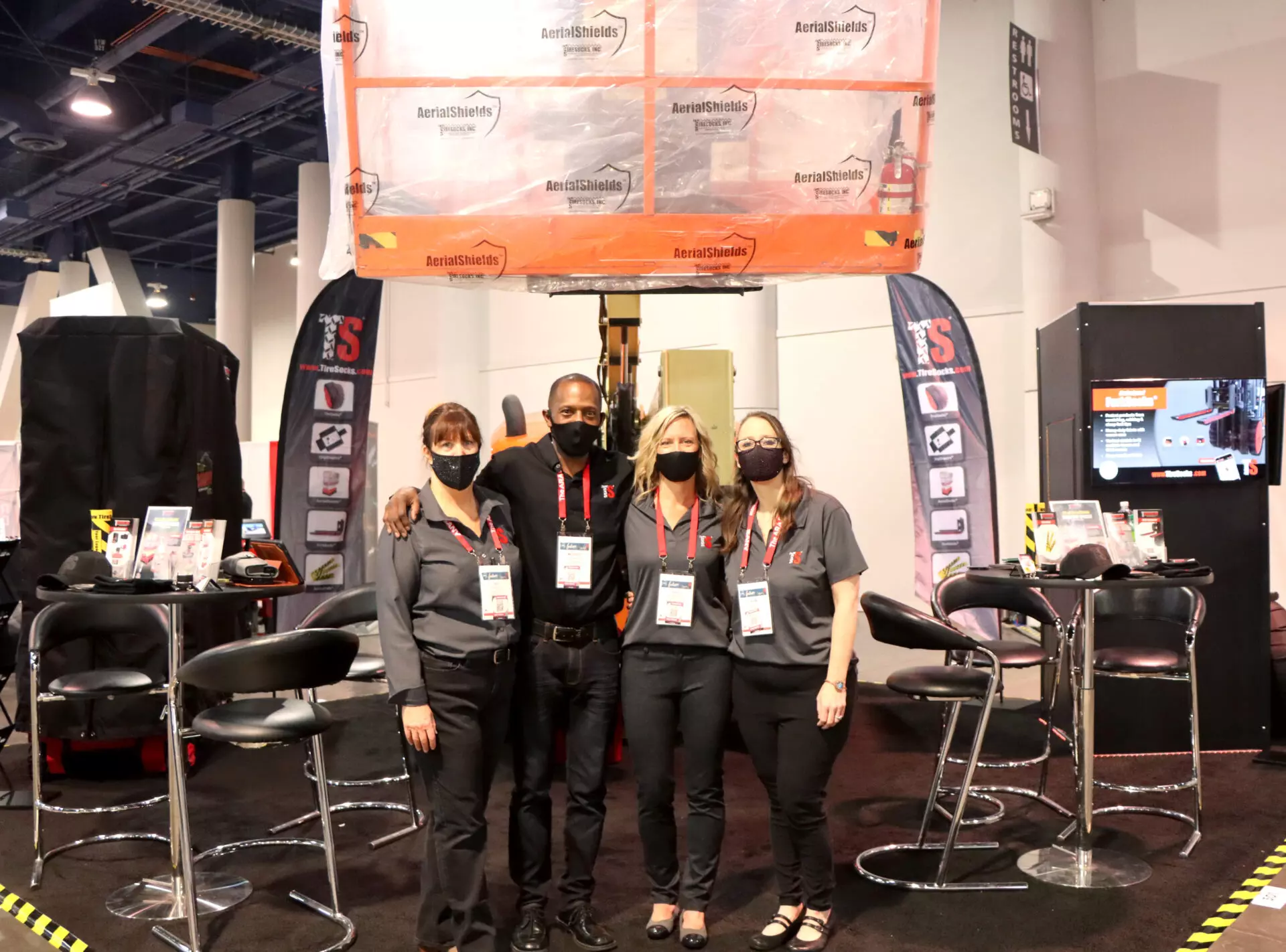
Read MoreWe’re hitting the road in 2026 and bringing the full TireSocks lineup with us! This trade show season is stacked with opportunities to meet our team, get hands-on with our products, and learn how TireSocks gear protects your equipment, floors, and reputation on the job site…

Read MoreSpills are an unavoidable reality on any job site, whether it’s a slow leak from equipment or a sudden drum rupture. Your response can mean the difference between a quick fix and costly downtime, safety hazards, and environmental violations. Even small spills, if left unaddressed, can escalate into serious problems. …
Read MoreAs fall sets in, proper personal protective equipment (PPE) becomes even more critical—not just for comfort, but for visibility, productivity, and OSHA compliance. Cold, damp conditions increase the likelihood of fatigue, slow reaction times, and job site accidents. The right cold-weather PPE helps fight back. Here’s how to layer up for fall and why it matters…
Read MoreNot all high-visibility clothing is created equal. Maybe you’ve had a vest that fell apart in a week, or a stiff jacket that made your job harder instead of safer. For construction crews, equipment operators, and industrial workers, PPE must do more than meet a standard—it has to protect, fit comfortably, and hold up under real job-site conditions while minimizing exposure to hazards…
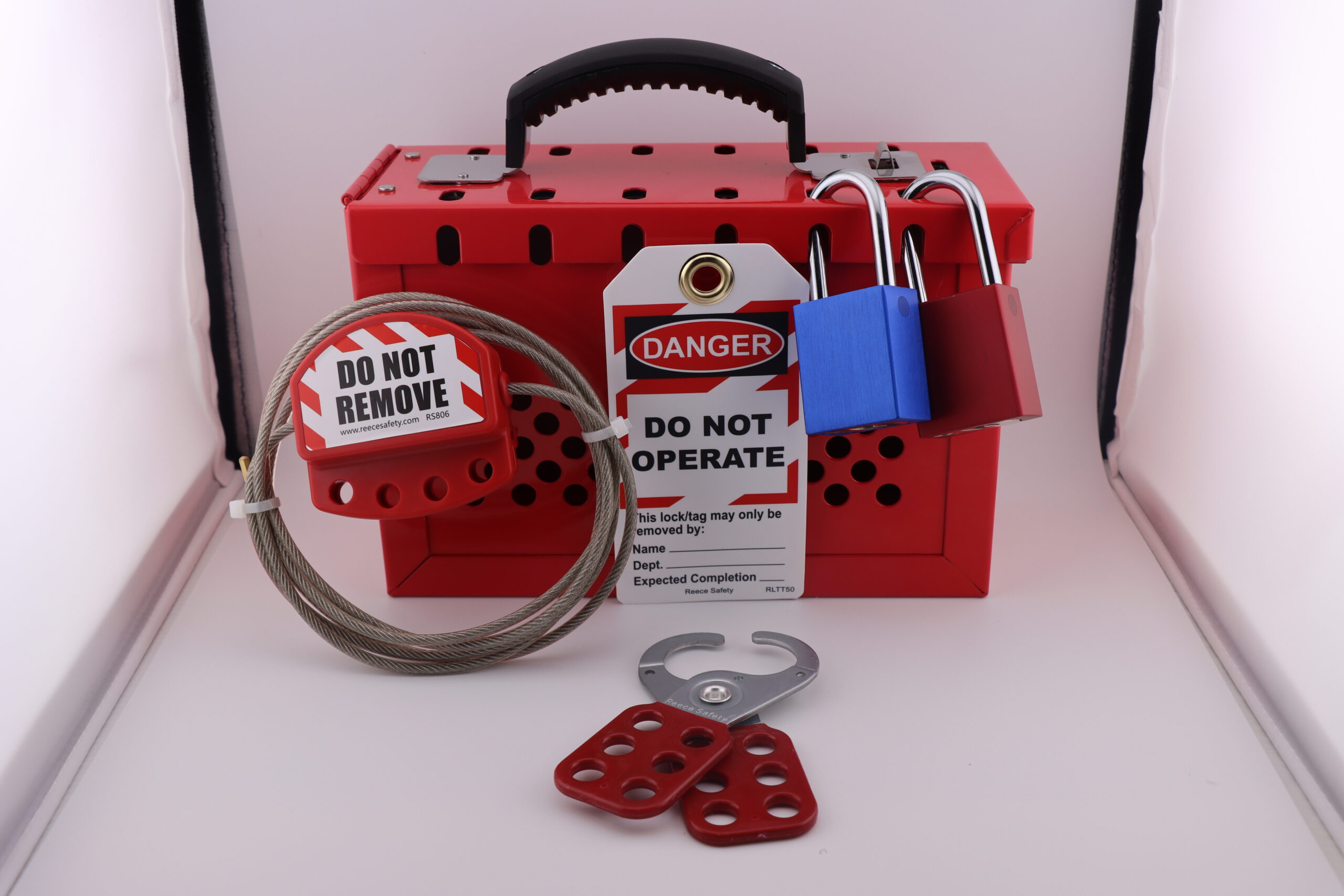
Read MoreThings can go south fast on a job site, especially when equipment fails without warning. Productivity tanks. Workers stand around waiting. And worst of all? If safety procedures aren’t in place, someone could get seriously hurt. Do you have a plan to protect your crew and prevent costly downtime? If Lockout/Tagout (LOTO) isn’t part of it, it’s time to rethink your safety strategy…
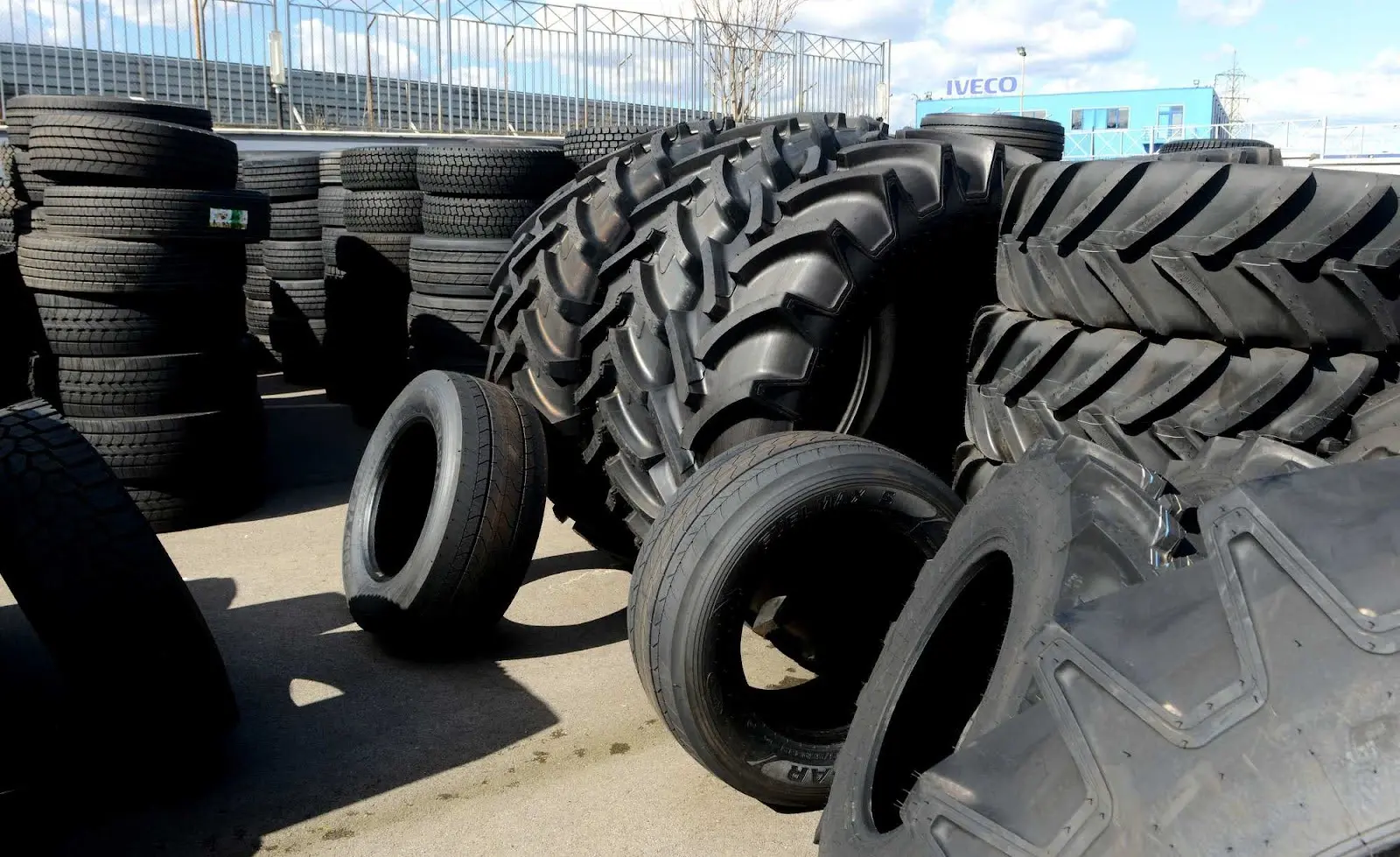
Read MoreSelecting the right tire sizes for compact interior construction equipment is crucial as it directly influences the performance, maneuverability, and overall efficiency of these machines. Especially in confined spaces inherent to interior construction projects, the proper tire size ensures optimal navigation through tight corners, narrow hallways, and restricted work areas, contributing to enhanced precision and productivity. An accurately matched tire size not only promotes stability and control but also minimizes the risk of damage to delicate surfaces. …
Read More